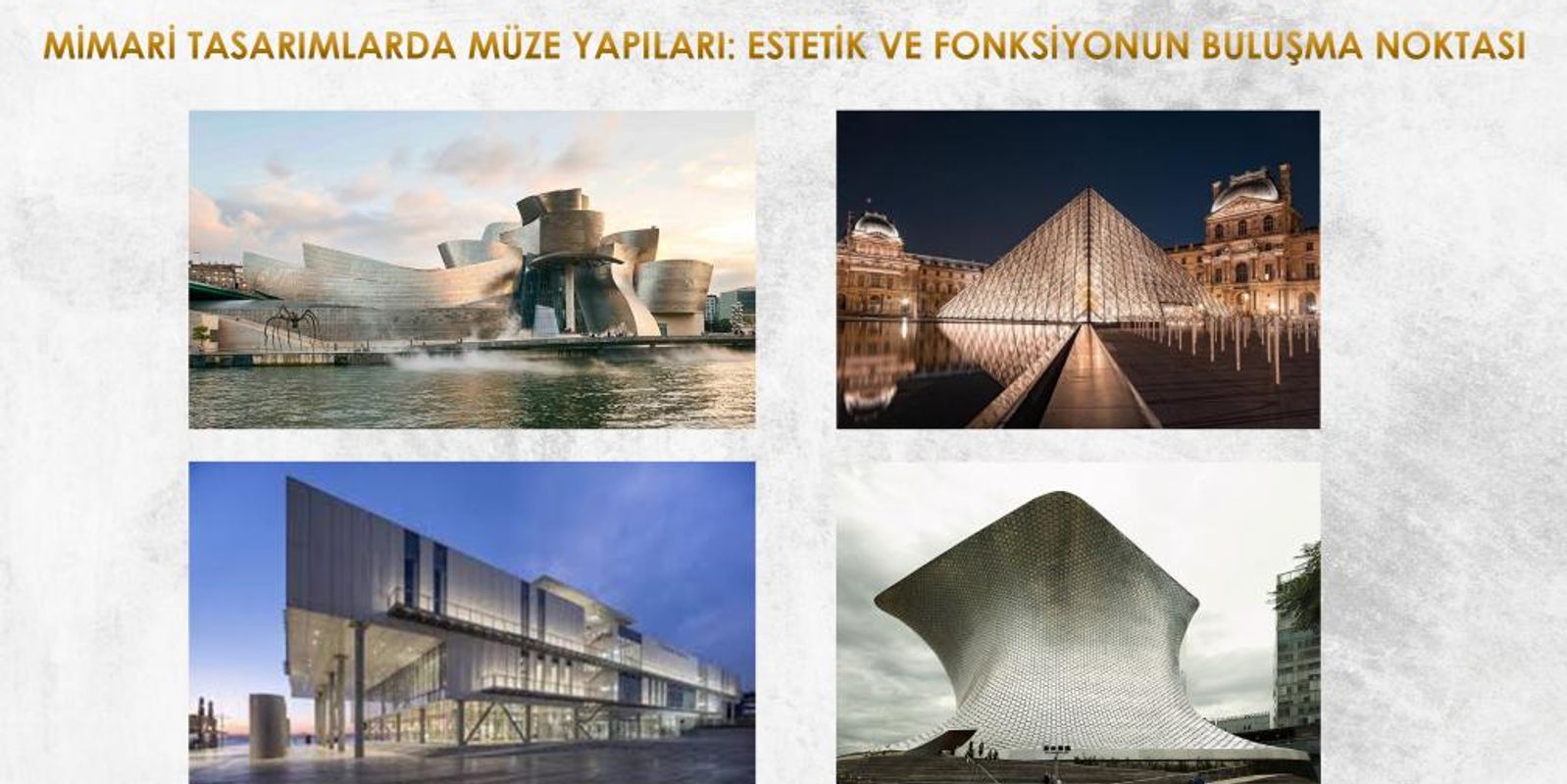
MUSEUM BUILDINGS IN ARCHITECTURAL DESIGN: THE MEETING POINT OF AESTHETICS AND FUNCTION
Updated:
MUSEUM BUILDINGS IN ARCHITECTURAL DESIGN: THE MEETING POINT OF AESTHETICS AND FUNCTION
This week, T-COD Architecture wants to discuss one of the most special areas of architecture: museum design. A museum is not just about the exhibited works; it's also a significant experience through its architecture. Museums are spaces that preserve the memory of societies, carry cultural heritage into the future, and make art accessible to everyone. However, the success of a museum is directly related not only to its content but also to the spatial experience it offers to visitors. Architectural design is one of the fundamental elements that shape the identity of museums and one of the most important factors determining how exhibited works are perceived. So, what architectural elements should be considered when designing a museum? Let's take a closer look at the basic components of a successful museum building.
BASIC PRINCIPLES IN MUSEUM DESIGN
1. Context and Concept A museum should be in harmony with the city it is located in and the collections it displays. Therefore, local culture, history, and environmental elements should be considered in museum design. Art Museums: They generally feature contemporary and aesthetically pleasing designs. They stand out with large atriums, spacious exhibition areas, and modern details that impress visitors. History Museums: They are generally designed using more classical architectural approaches that carry traces of the past. In these museums, the historical texture of the building itself can also offer a narrative to the visitor. Science and Technology Museums: They have spaces that offer interactive experiences and require flexibility and adaptation. The modular structure of lighting, acoustics, and exhibition areas is important.
2. Visitor Experience and Flow For visitors to have a comfortable experience while touring a museum, the flow needs to be well-designed. Poorly planned circulation can cause visitors to lose their way or prevent them from efficiently navigating the exhibits. - The smooth transitions between exhibition areas allow visitors to explore the works with natural navigation. - Clearly marked entrance and exit points facilitate easy movement for visitors within the museum. - Rest areas, seating sections, and interactive experience points help visitors spend longer and more enjoyable time in the museum.
3. Lighting and Atmosphere The lighting of a museum is of great importance for the accurate perception of the exhibited works. The balanced use of natural and artificial light provides both a comfortable experience for visitors and ensures the preservation of the exhibited objects. Use of Natural Light: Large glass surfaces or skylights can provide natural light to the space. However, controlled use is necessary, especially for the preservation of delicate works of art. Artificial Lighting: Spot lighting that highlights the works and indirect lighting that creates the overall atmosphere of the environment enrich the museum experience. Dramatic Use of Lighting: Creating a dramatic atmosphere with light and shadow plays provides an impressive presentation, especially in history and art museums.
4. Material Selection and Sustainability Sustainability has become one of the most important issues in contemporary architectural designs. Museum buildings should also be designed with environmentally friendly and energy-efficient solutions. Natural and Recyclable Materials: Wood, stone, recycled metal, and sustainable glass materials offer advantages in terms of both aesthetics and environmental sensitivity. Energy Efficient Systems: Smart building systems, thermally insulated facades, and low-energy lighting systems enable museums to save energy. Green Space Integration: Outdoor exhibition areas, indoor gardens, and natural landscape elements make the museum atmosphere more enjoyable.
Museum design is one of the most unique architectural processes that combines aesthetics and functionality. These structures, which carry cultural heritage into the future, inspire people with both their content and architectural language. As T-COD Architecture, we continue to create sustainable and aesthetically pleasing spaces by combining contemporary architectural approaches with historical textures in museum design.