CEILING MATERIALS IN ARCHITECTURAL DESIGNS
Updated:
CEILING MATERIALS IN ARCHITECTURAL DESIGNS
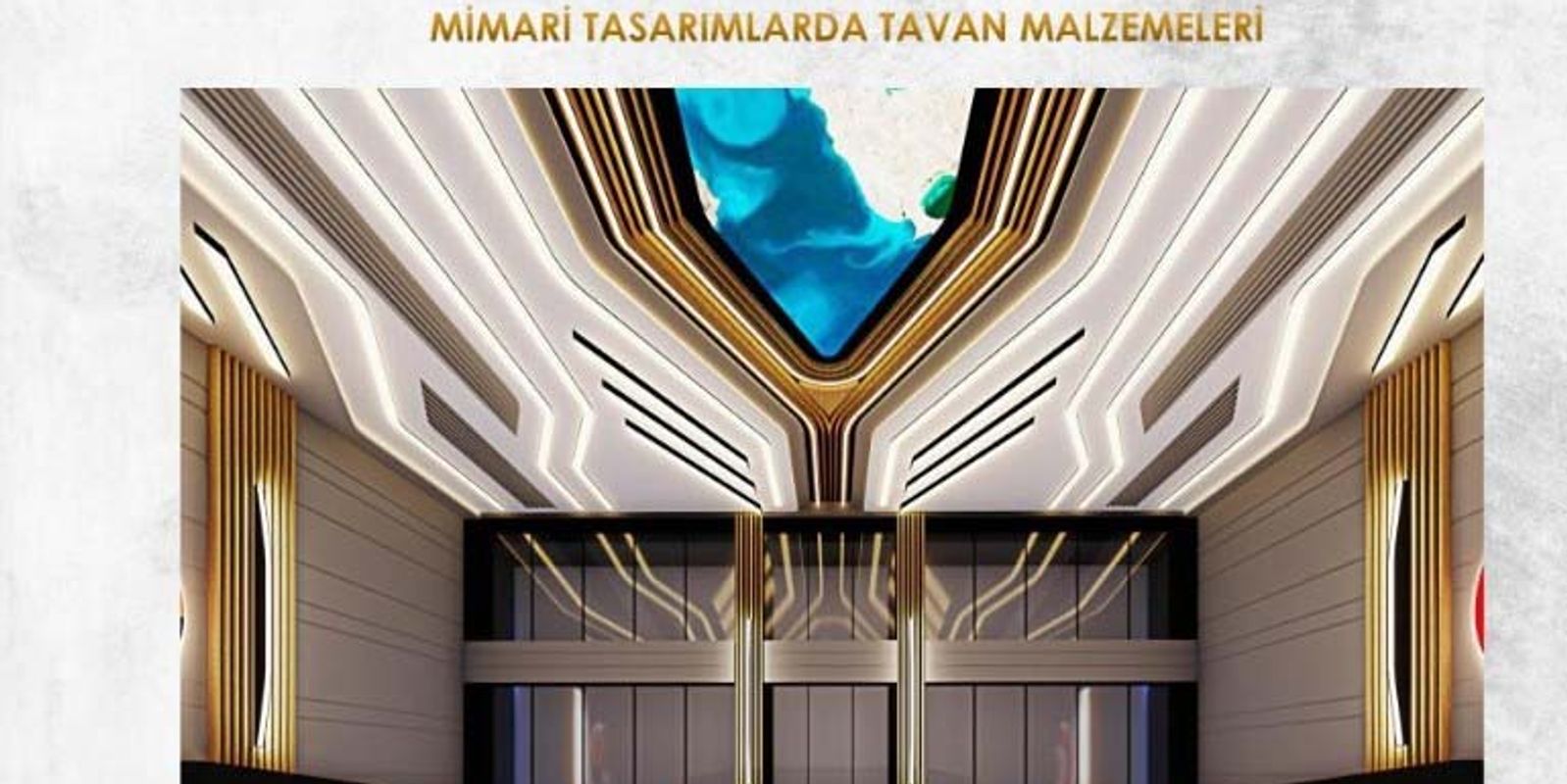
Today, we at T-COD Architecture want to talk about ceiling designs and materials, an important element of our interior design projects. Let's take a look at the aesthetic and functional effects that ceiling designs create in a space. The correct use of ceiling coverings is crucial for both design and functionality. Ceilings, which help to visually enlarge or reduce the size of a space, vary depending on their use. For example, acoustic ceiling materials are more often preferred in educational and office spaces, while gypsum board suspended ceilings are more commonly used in residences.
ACOUSTIC CEILINGS
At T-COD Architecture, we generally use acoustic ceiling materials in monitoring centers and smart rooms, which are very important for sound control in a space. Acoustic ceiling panels help improve the sound quality of a space while also being an indispensable element of the space with their visual impact. When selecting materials, determining the needs according to the size of the space is important for sound control.
CEILING TILES
This type of cladding is made from various materials. Fiberglass tiles mixed with starch provide good sound insulation. Natural wood, polystyrene foam, and lightweight metals are used in its production. Expanded polystyrene is also the most common finishing material.
STRETCH CEILING SYSTEMS
Stretch ceilings consist of a single large panel, and their shape is determined by a specially designed and manufactured frame. The stretched material is usually a thin plastic film, such as vinyl and PVC, which can be any color, coating, or transparency. This surface can also be a special wood veneer panel or decorative fabric.
HIDDEN GRID SYSTEMS
Hidden grid systems offer a more upscale look compared to standard panel systems. These systems are designed to conceal HVAC, lighting, and other infrastructure elements while maintaining full functionality.
PANEL AND TILE SYSTEMS
One of the most common panel systems for suspended ceilings, which typically consist of a series of panels forming the visible surface of the ceiling, is the “T” system. Long strips called main beams are joined with shorter strips called “T” beams, which are then filled with panels to create the second ceiling. At T-COD Architecture, we have successfully implemented numerous aesthetically pleasing and functional ceiling design and application projects for various spaces, from residences to commercial areas, offices to public institutions, through the careful selection of materials.