6 EFFECTIVE INTERIOR ARCHITECTURAL STRATEGIES THAT INCREASE SPATIAL EXPERIENCE IN COMMERCIAL SPACES
Updated:
6 EFFECTIVE INTERIOR ARCHITECTURAL STRATEGIES THAT INCREASE SPATIAL EXPERIENCE IN COMMERCIAL SPACES
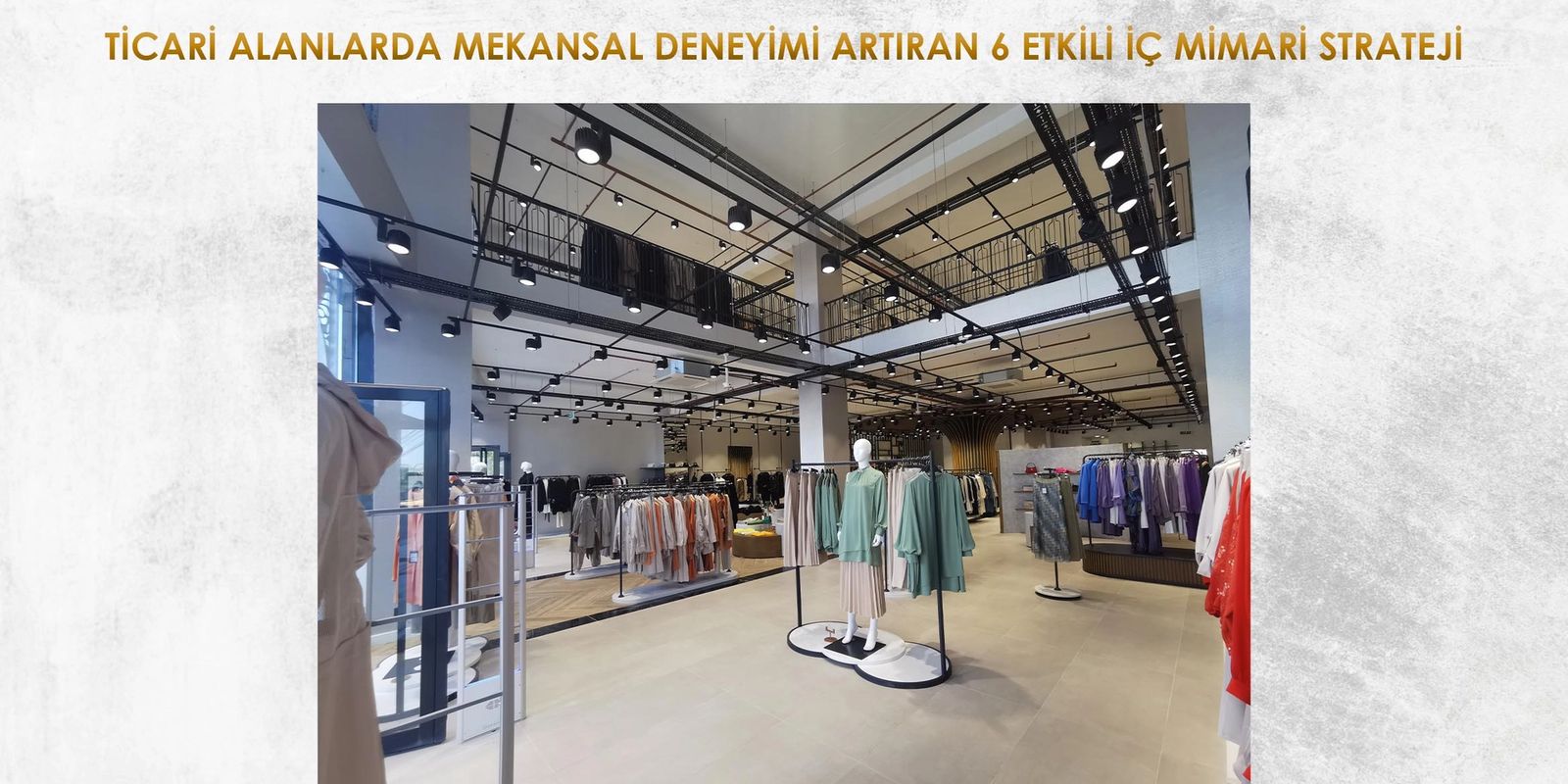
This week, as T-COD Architecture, we would like to talk about a subject that we frequently focus on and apply meticulously in our projects: Interior architecture strategies that increase spatial experience in commercial spaces. Today, commercial spaces have gone far beyond being merely functional areas where products or services are offered. They have now turned into experience spaces that tell the story of a brand, establish an emotional bond with the visitor and keep the user in the space. Interior architectural design is not just an aesthetic issue at this point; It becomes a strategic tool that directly affects user behavior, strengthens the brand's image and supports sales performance. So what should be taken into consideration to increase this experience? Here are 6 basic interior architecture strategies that make a difference in commercial spaces:
1. ENTRY AREA: THE POWER OF FIRST IMPRESSIONS
The way you feel when you step into a place is the first step in your relationship with the brand. Therefore, the entrance area must be designed correctly, both functionally and emotionally. A strong welcoming experience created with lighting, floor texture, ceiling design and brand-specific visual elements not only attracts the customer inside; It also creates a feeling of trust.
2. CORRECT CIRCULATION SETUP
If it is not easy to navigate the space, the user will not stay long. A well-planned circulation guides the customer naturally and encourages exploration. Especially in stores, the placement of products, shelving systems, seating areas and the location of the cash register should be considered in accordance with this flow. The simpler and more functional the navigation, the smoother the experience.
3. PERCEPTION MANAGEMENT WITH LIGHTING
Lighting is one of the most determining elements of the spatial atmosphere. A correct lighting scheme; it defines spaces, highlights products, and influences the overall mood. While warm lights create a more intimate and relaxing atmosphere, cold lights can create a dynamic and modern perception. It is also possible to direct the customer's attention by determining focal points to be emphasized with spot lighting.
4. MATERIAL AND TEXTURE SELECTION
Each material used in the interior creates a different psychological effect on the user. While wood gives a feeling of warmth and sincerity; Glass provides clarity and transparency. Materials such as concrete or metal offer a strong, modern stance. These material choices should be combined to create a composition that is compatible with the character of the brand. Establishing a consistent material relationship between floor, wall and ceiling enhances the experience.
5. EXPERIENCE CORNER AND SITTING AREAS
In commercial areas, the priority is not only to offer products but also to provide the customer with an experience. Small seating areas, demo areas, digital interaction screens or sample product corners keep the user in the space longer. Such details are not only about comfort; It is also important for a brand to make the user feel that they "value" it.
6. DON'T FORGET ACOUSTIC COMFORT
The sonic perception of the place is at least as important as its visual appearance. Acoustic comfort directly affects user experience, especially in environments such as open offices, clinics or showrooms. Echoes can be reduced and the space made more peaceful with solutions such as baffle ceiling systems, sound-absorbing panels or fabric coverings. This comfort detail relaxes the user psychologically as well as physically.
DESIGN = EXPERIENCE Design is not just about an image; It is an experience that makes the time spent in the place meaningful, comfortable and unforgettable. Every step taken to strengthen this experience in commercial spaces makes it easier for the user to connect with the space. A commercial space designed with the right interior architecture strategies is not only stylish; It offers an atmosphere that is effective, memorable and reflects the power of the brand. As T-COD Architecture, we pay attention to these details in every project; We bring identity to spaces by putting user experience at the center of design. With our design approach that aims to achieve balance between aesthetics, functionality and emotional connection, we make commercial spaces not only usable but also "livable".